History of the Lordship of Heathfield
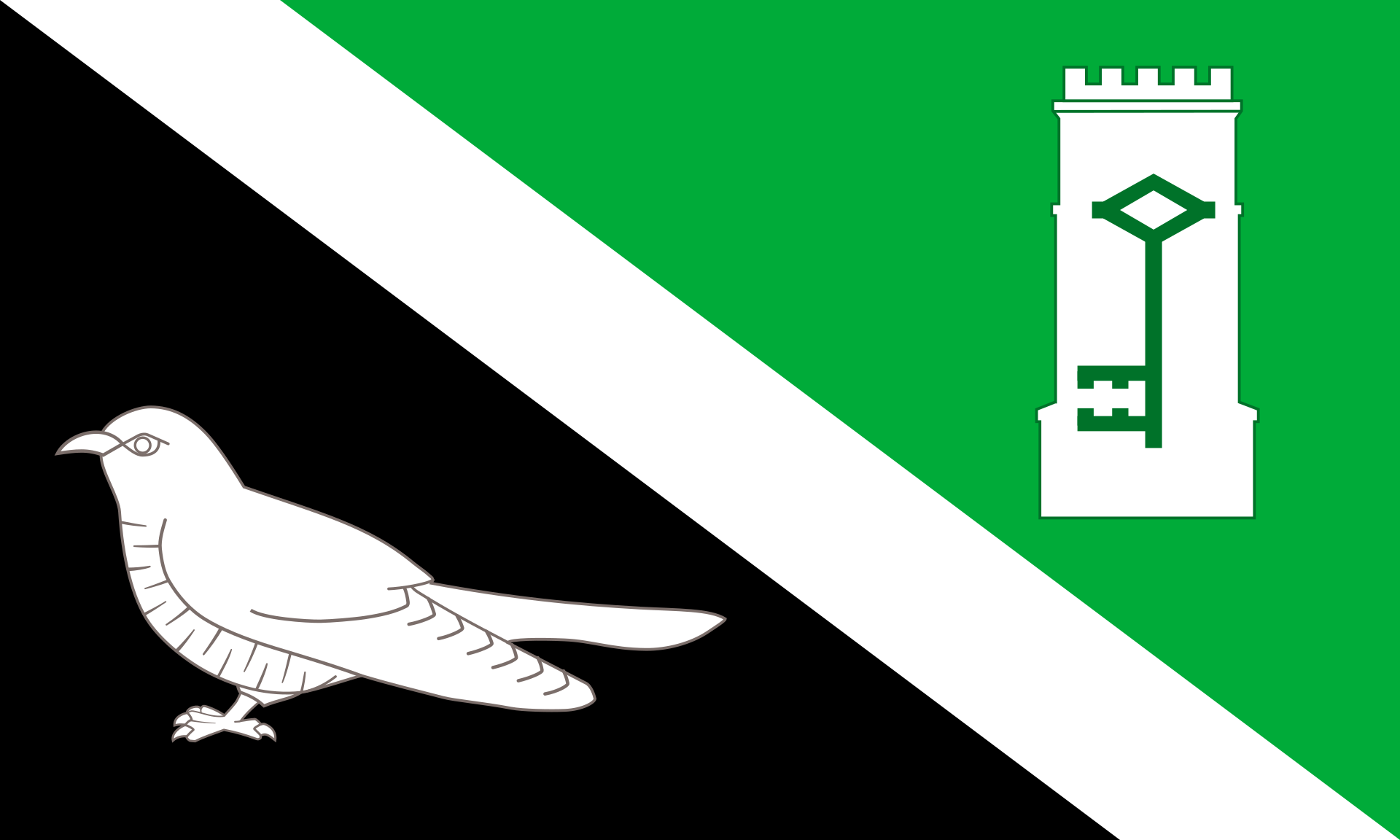
Village Flag of Heathfield
The Manor of Heathfield lies in the parish of the same name, some 9 miles from Uckfield. The locals refer to Heathfield as Heffle. It is a rural manor which used to specialize in growing hops and in ironmaking and lies on the southern slopes of the great upland area known as The Weald. The River Cuckmere has its source in Heathfield Park and flows south to the channel. In the 17th and 18th centuries, the village was, for a time, a prosperous center of the iron industry, due in part to the abundance of local iron ore. At the beginning of the 19th century, it was said that over half the population of the parish were employed in ironmaking. The cannons made in Heathfield were supposed to be of the best quality in all England and regularly fetched the highest prices. There were three miles of ponds used in the manufacture, and some evidence of these remain to the west of the area known as Old Heathfield.
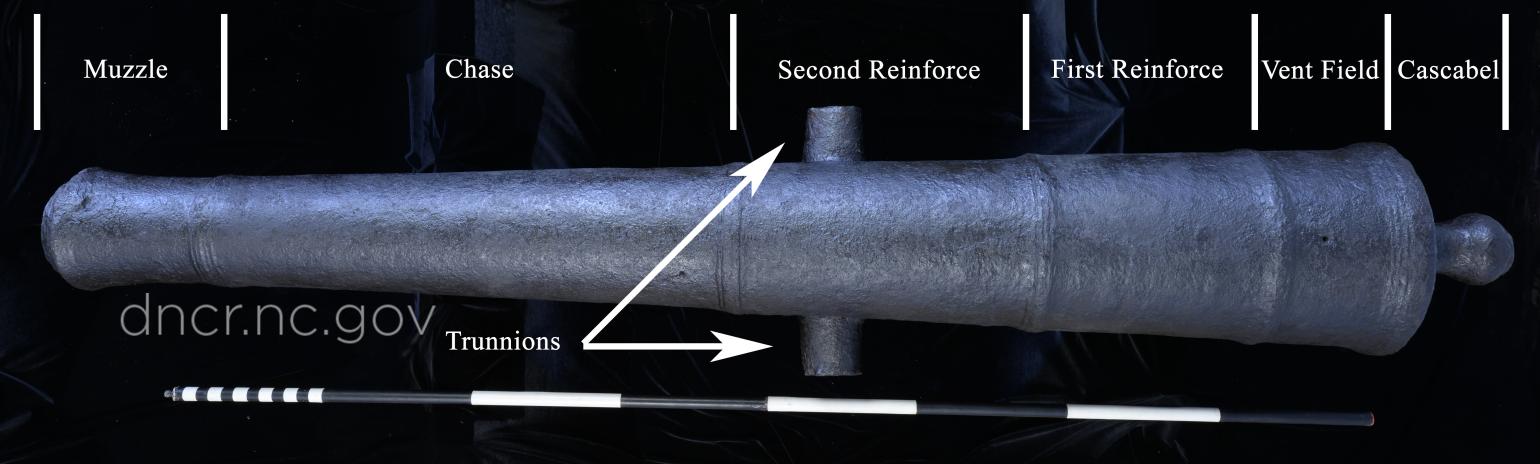
Cannons cast by John Fuller's Ironworks in Heathfield found in the pirate Blackbeard's Ship, 'Queen Anne's Revenge' in North Carolina
The Manor is perhaps most famous for its Cuckoo Fair which was held every year on the 14th of April. In 1315, the Lord of the Manor was granted a charter for a livestock market, The weekly market was held on a Thursday. A second fair began to be held yearly on April 14th, which is known as the Cuckoo Fair. This was based on a folk tradition that every April, Dame Heffle would arrive at the fair and release the first cuckoos of the year. This tale is commemorated in the poem “Cuckoo Song”, by Rudyard Kipling. Sadly, interest in the fair has been waning as of late, and it has not been held for several years.
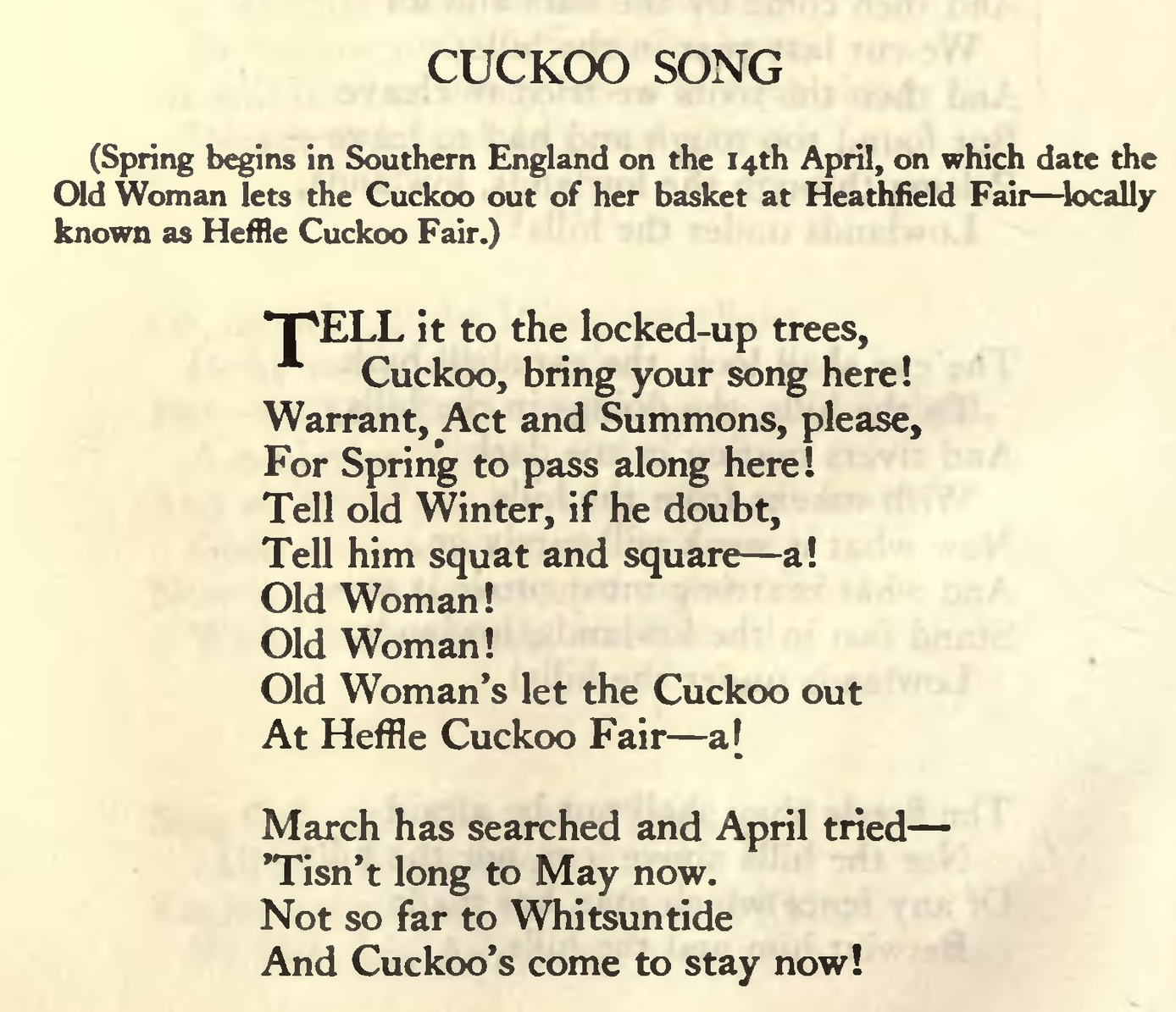
'Cuckoo Song' by Rudyard Kipling
The early history of the Manor is rather obscure, as it was thought to have originally been a member of the Manor of Bishopstone. When Heathfield became part of the estate of the bishopric is not recorded but seems likely to have been in the mid-12th century when most of the land held by the Bishop was endowed. The earliest known record for the manor is a grant of a market charter granted to Ralph Neville, Bishop of Chichester by Henry III in 1234. In 1316, the rights to a fair were granted to John Langton, Bishop of Chichester by Edward II. These original grants are recorded in “Gazetteer of Markets and Fairs in England and Wales to 1516”, compiled by Dr. Samantha Letters, which can be found online at the Institute for Historical Research (British History Online).
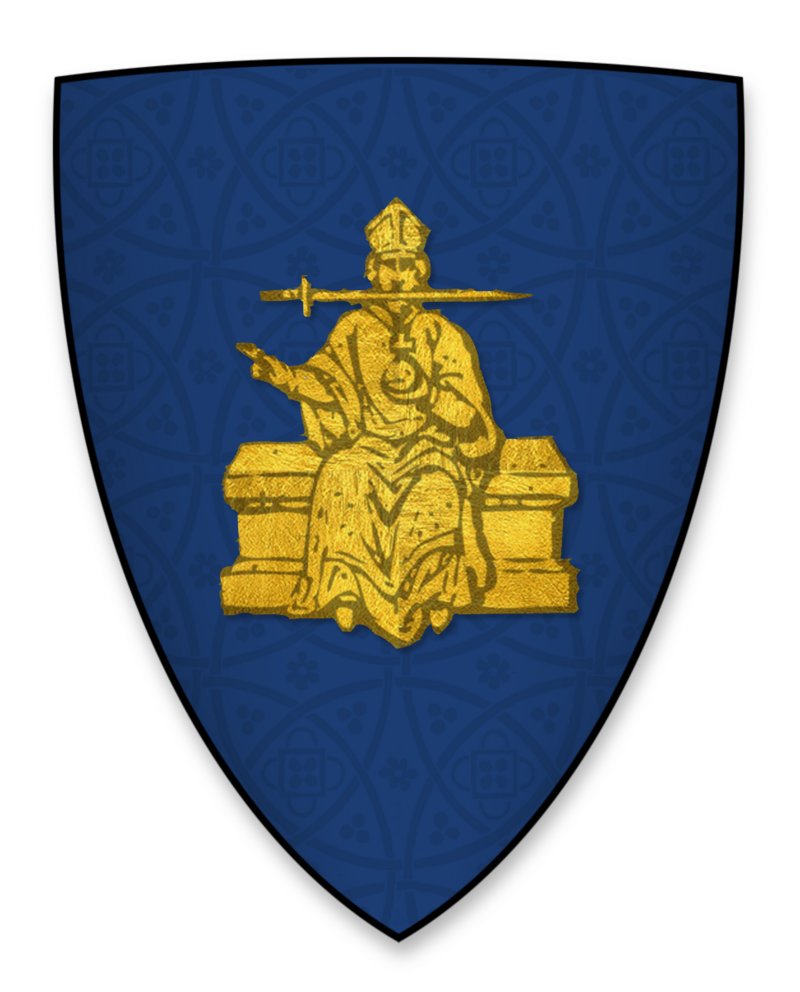
Arms of the Bishop of Chichester
In 1450, Heathfield was thought to be the site of conflict during the rebellion led by Jack Cade. He was supposedly killed by Alexander Iden, the Sheriff of Kent, at a spot in Heathfield (however, the exact location is contested by scholars). This is now memorialized at Cade Street, which runs east of the village towards Chapel Cross.
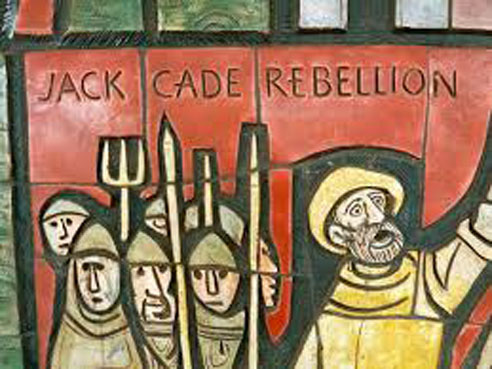
Depiction of Cade's Rebellion
In 1559, the Government of Elizabeth I passed the Act of Exchange, allowing the Crown to seize possessions of vacant Bishoprics. Chichester became vacant in 1586, and at the time, 13 Manors were taken into the possession of the Crown, Heathfield amongst them, which were subsequently granted to Thomas Sackville.
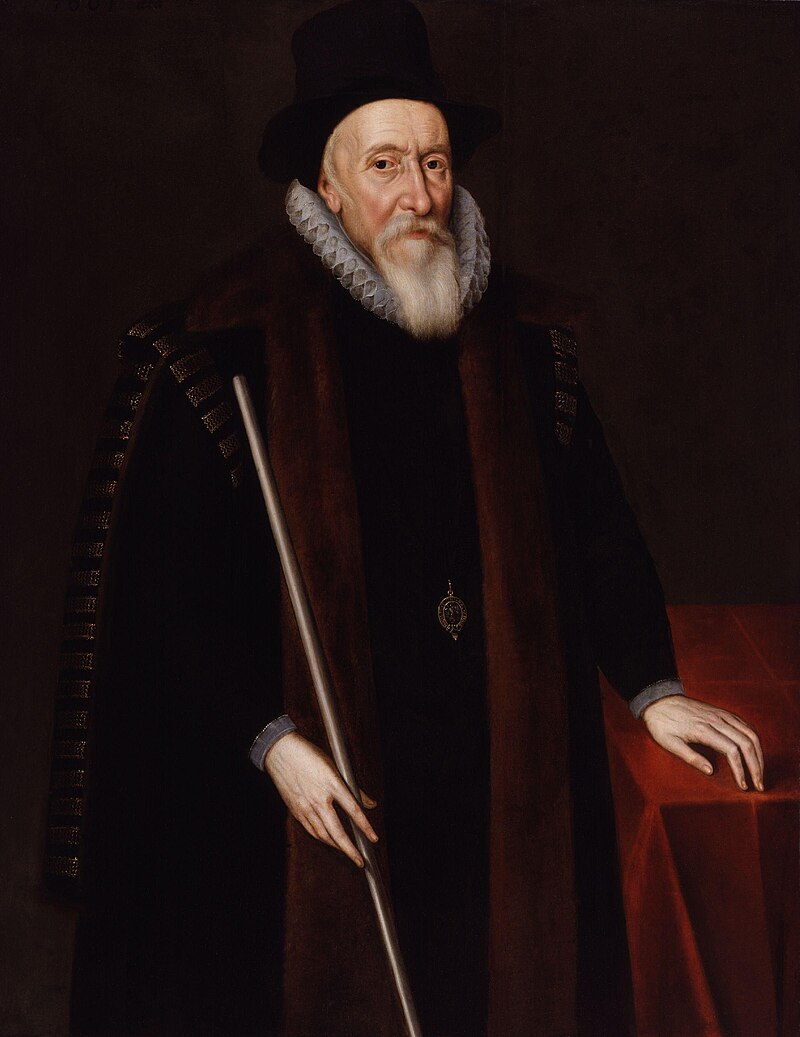
'Thomas Sackville, 1st Earl of Dorset' by John De Critz the Elder
The areas known as Heathfield Down and Burwash Down formed the majority of the common land in the Sackville manor. In 1595 these were surveyed for Thomas Sackville who claimed all rights over the downs. This caused an almost unceasing number of disputes between the Sackvilles, their later heirs the Pelhams, and the Lords of the various manors onto which the downs abutted.
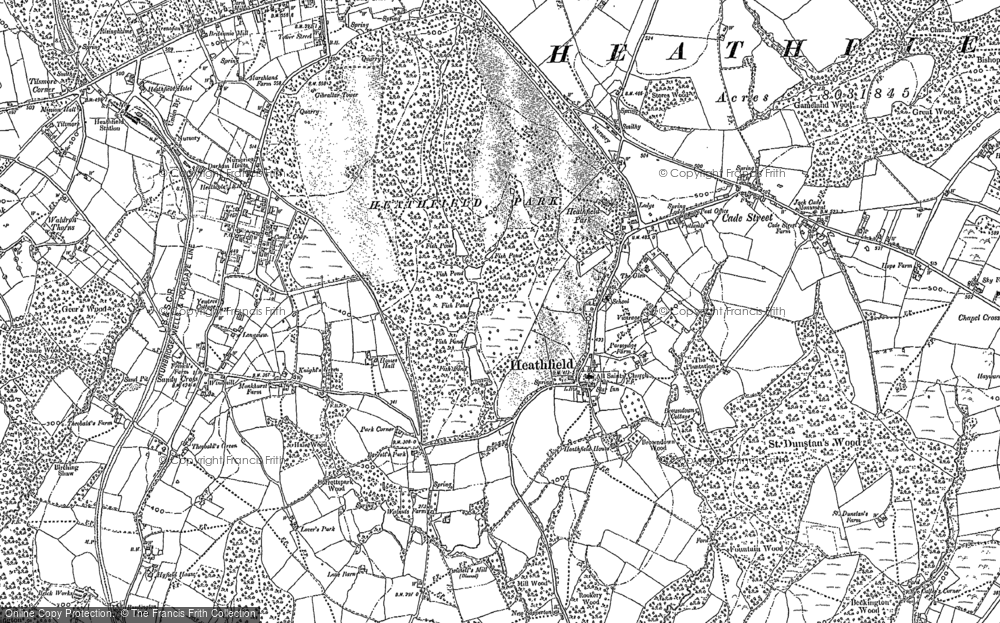
Historic Survey of Old Heathfield, 1897
The Sackville family held the Manor of Heathfield until the very end of the 20th century. The Sackvilles are one of the more celebrated families of England, and their fortunes rose and fell across the centuries. Thomas Sackville was created Earl of Dorset and this title descended with them. Perhaps one of the most unusual holders of the Manor of Heathfield was Charles, the sixth Earl of Dorset, who was born in 1643. After stint as an MP for East Grinstead, Charles was imprisoned at Newgate in 1662 for manslaughter. This was an extremely rare occurrence for a member of the nobility. Charles was accused of killing an alleged highwayman with four of his friends. As Lord Buckhurst, he already had a reputation as a ‘rake’, and his rank did not prevent his arrest. When it was discovered that the supposed highwayman was in fact a tanner, the charges were raised to that of murder. They claimed that the tanner was killed in mistake while they were chasing a thief, and they were subsequently pardoned by King Charles II. Perhaps in a bid to improve his reputation with Charles II, he volunteered to join the military in 1665 and served under the Duke of York. He is famed as the lover of Nell Gwynn but then ‘surrendered’ her to Charles II. He was a patron of the arts, and supported numerous poets and playwrights, championing Ben Jonson and writing poetry himself. In 1677 he succeeded to the Earldom of Dorset and took his seat in the House of Lords. Although he was not known for the strength of his political views, he did oppose the brief reign of King James II (1685-1688). During the Revolution of 1688, Dorset personally helped Princess Anne in her escape from Whitehall palace after her brother-in-law, William of Orange landed his army in Devon. It is reported that during her flight, Anne lost one of her shoes and Dorset replaced it with one of his own white gloves. After James had fled and William and Mary assumed the throne, Dorset was made Lord Chamberlain and appointed as one of the nine men who governed in the Queen’s name whilst William was overseas. He died in Bath in 1706.
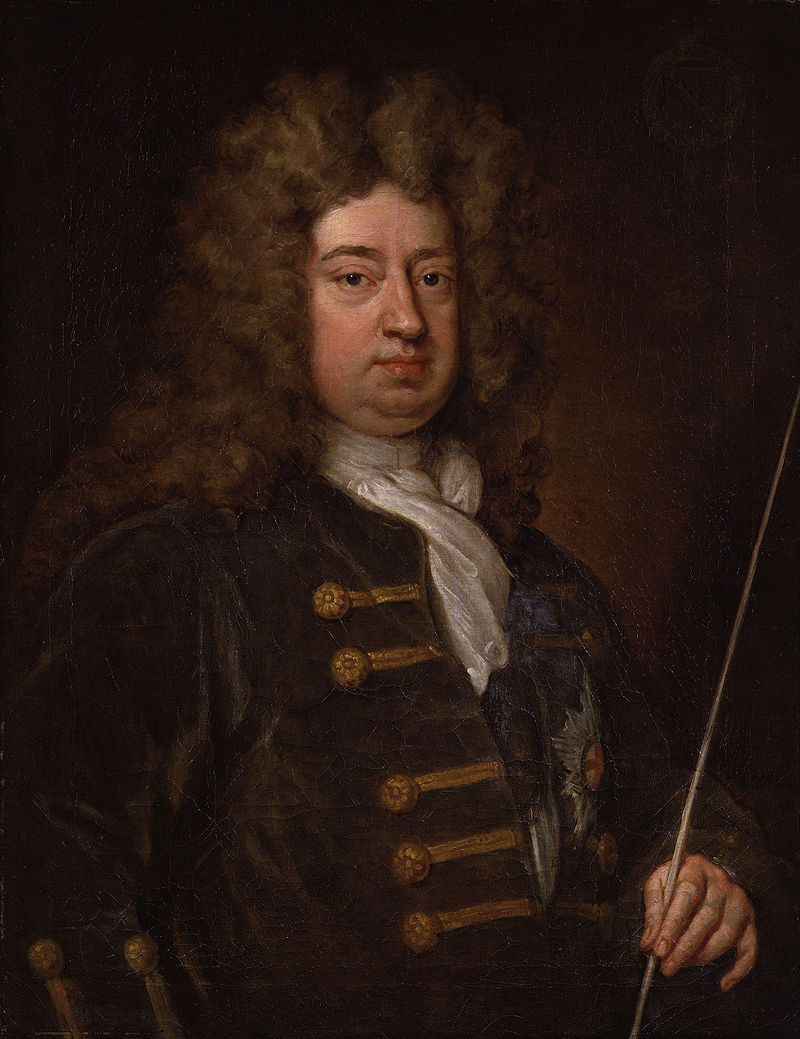
'Charles Sackville, 6th Earl of Dorset' by Sir Godfrey Kneller
The last of the Sackville family to hold the Manor of Heathfield was William Herbrand Sackville, 10th Earl De La Warr. The Lordship was part of his lesser titles that were sold in order to finance upkeep on the sprawling estate of Buckhurst. Tragically, the Earl De La Warr died in 1988, in a tragic event that was ruled a suicide.
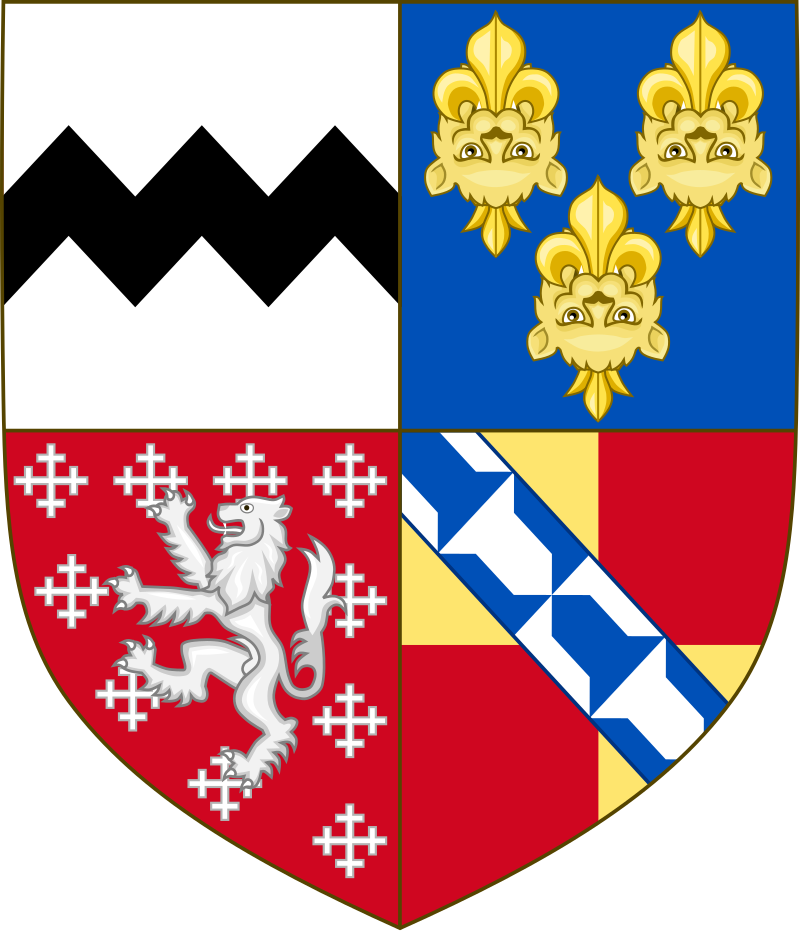
Coat of Arms of the House of Sackville, Earl De La Warr